Bielefeld greeted me with the quiet charm typical of East Westphalia—modest in presentation, generous in offerings. While the city itself offers much to explore, from Sparrenburg Castle to the Kunsthalle, I found myself drawn to the region beyond its immediate city center. The landscape surrounding Bielefeld weaves together patches of dense forest, sprawling meadows, and towns that seem to have resisted the pull of time. With the weather just crisp enough to warrant a light jacket and a pair of sturdy walking shoes, the day stretched before me like a well-drawn map—dotted with forests, outlined with stone walls, and filled with the rustle of old trees and older stories.
1. Morning Light in Teutoburg Forest
The first step into the Teutoburg Forest felt like entering a world woven from Germanic legend. Here, the woods are not just trees and trails—they are guardians of myth. Long before I reached the forest’s interior, I noticed a shift in sound. The distant hum of morning traffic gave way to birdsong, and then to silence, broken only by the crunch of gravel underfoot.
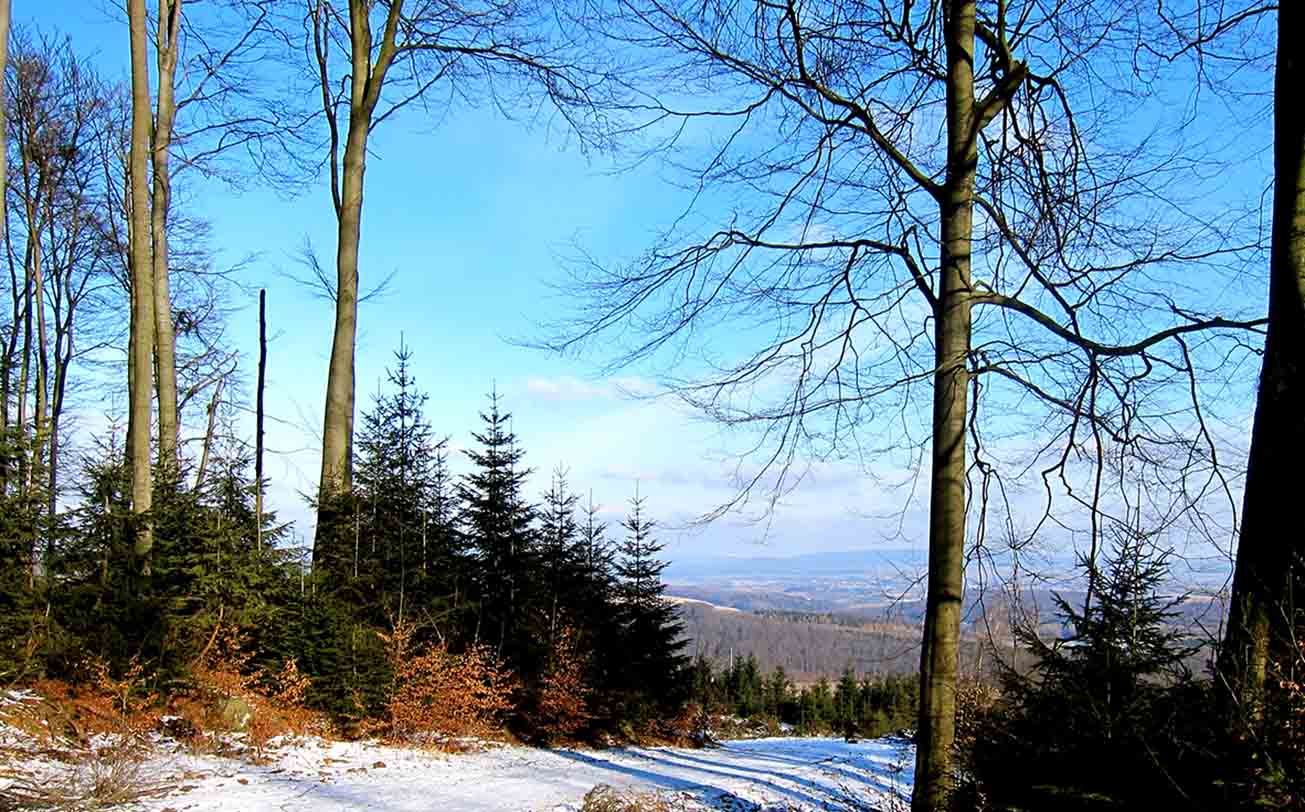
My route began near the Johannisberg area, ascending gently toward the Hermannsweg trail, one of Germany’s most celebrated hiking paths. The path winds along the crest of the Teutoburg Ridge and offers glimpses across the valley that expand like a slow-breathing lung.
Towering beech trees filtered the light in shades of green and gold, and occasionally, a red squirrel darted across my path as though sent to make the scene more picturesque. The air here is layered—pine and earth, moss and leaf, as if the forest had spent the night steeping itself in scent just for today.
Hiking the trail toward the Eisgrund valley, I passed the ruins of old stone huts and the occasional wooden sign etched in German script. Each marker hinted at hidden landmarks—natural springs, viewpoints, even the location of a Roman battle that shaped this region centuries ago. I paused often, not from fatigue, but because the woods invited lingering. No photograph could do justice to the way morning sun illuminated the mist curling through the branches.
A brief detour brought me to the Bielefelder Pass, a narrow gap in the hills where wildflowers grew like careless brushstrokes along the edge. I stood there, coffee thermos in hand, and took in the view. Beyond the ridge lay another world entirely, one that demanded exploration after the forest had shared its morning secrets.
2. Ravensberg Park: Layers of History Beneath the Trees
Descending into the city’s edge, I made my way to Ravensberg Park, situated in the heart of Bielefeld yet comfortably detached from its urban rhythm. Once the site of a spinning mill, the area has been reclaimed by nature and culture in equal measure. The former industrial halls now house the Bielefeld Historical Museum, the Huelsmann Museum, and the Museum of Natural History.
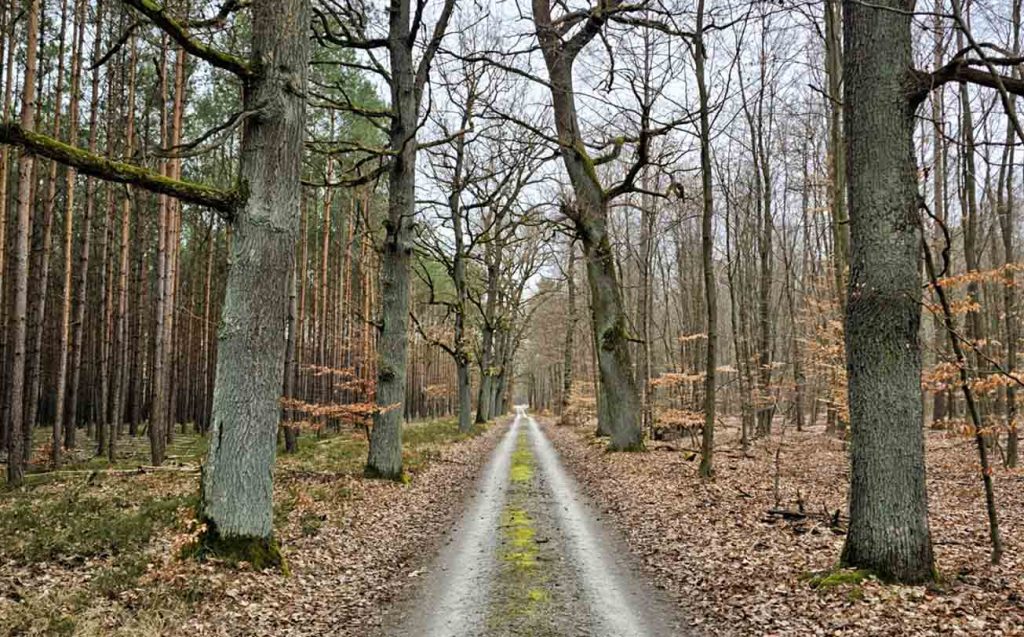
The park itself unfolds like a European novel—slow to begin, rich in setting, and patient with detail. Lined with mature trees and symmetrical paths, it is ideal for both contemplative strolls and enthusiastic exploration. There’s a calm here that defies modern tempo, helped in no small part by the muffled sound of footsteps on cobblestone and the occasional flutter of a bird’s wings.
I wandered into the Huelsmann Museum, less out of planning and more because its entrance seemed to beckon like an open book left on a windowsill. Inside, a collection of decorative arts told the story of domestic elegance across centuries—porcelain tea sets, silver cutlery, ivory combs. Each piece seemed to whisper that the past never truly leaves, it merely changes costume.
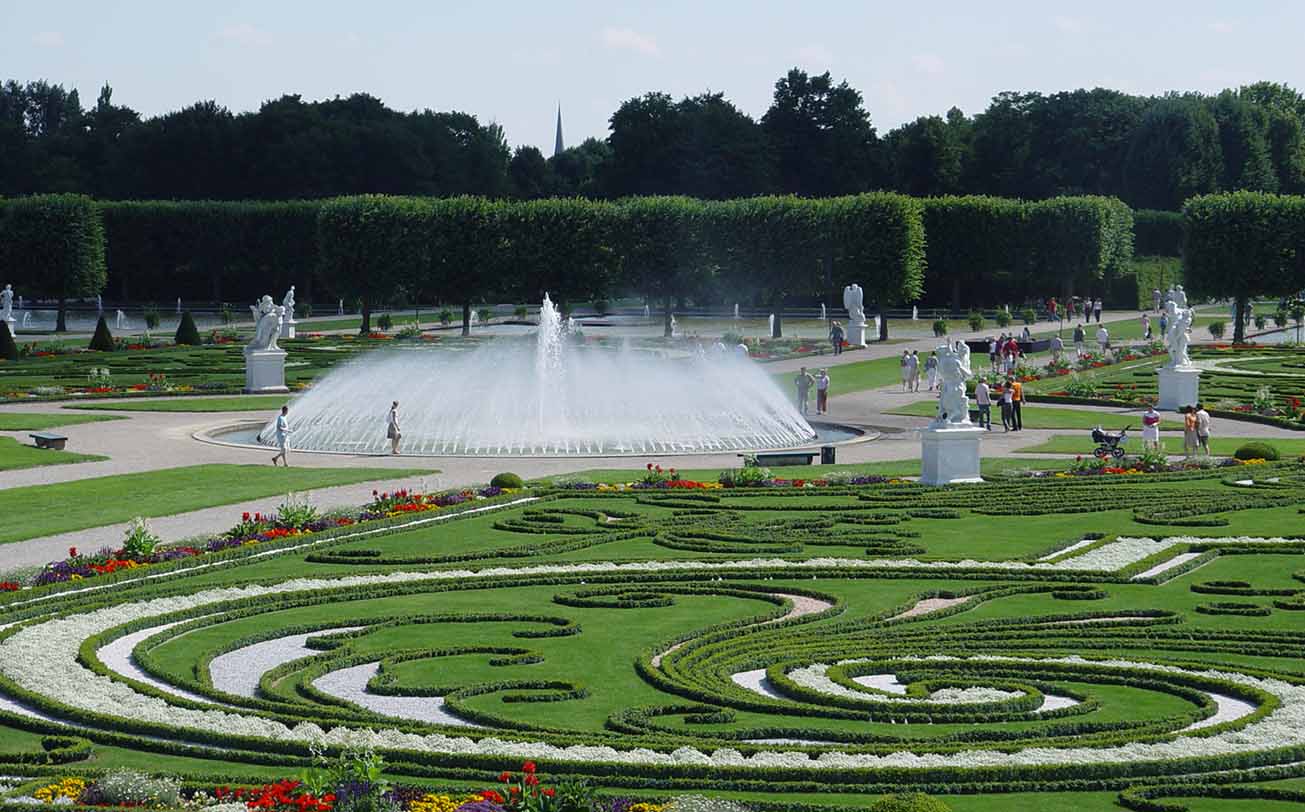
Stepping back outside, I continued through the formal gardens, noting the symmetry of hedges and the intricate layout of flowerbeds. It reminded me of a chessboard that had once hosted games of aristocratic leisure, now open to all who walk its paths. Children played near the pond, dogs tugged on their leashes, and elderly couples walked side by side without speaking, content in shared silence.
3. Hidden Tranquility at Obersee Lake
Not far from the bustle of the city, Obersee Lake presented itself as a calm counterpoint. The lake isn’t large, but its shoreline is generous in solitude. Trees lean protectively over the walking paths, and benches are spaced as though placed by someone who understood the need for private reflection. Ducks paddled in lazy circles, the occasional swan making its entrance like a dignitary returning from exile.
I circled the lake clockwise, stopping halfway to sit beneath an ash tree. From this angle, the water reflected the sky with near-perfect fidelity, only broken by the ripple of a breeze or a drifting leaf. A small cafe offered hot drinks and surprisingly excellent apple cake, which I accepted with gratitude and minimal resistance.
From the far end of the lake, I took a small path into a lightly wooded area that felt hidden from the rest of the park. Here, the trees thinned just enough to let light in but not enough to reveal the city beyond. It was a pocket of peace, and I stayed there longer than I had intended, listening to the faint sound of wind brushing leaves and the occasional crack of a twig under a squirrel’s footstep.
4. Afternoon in the Timber-Framed Town of Werther
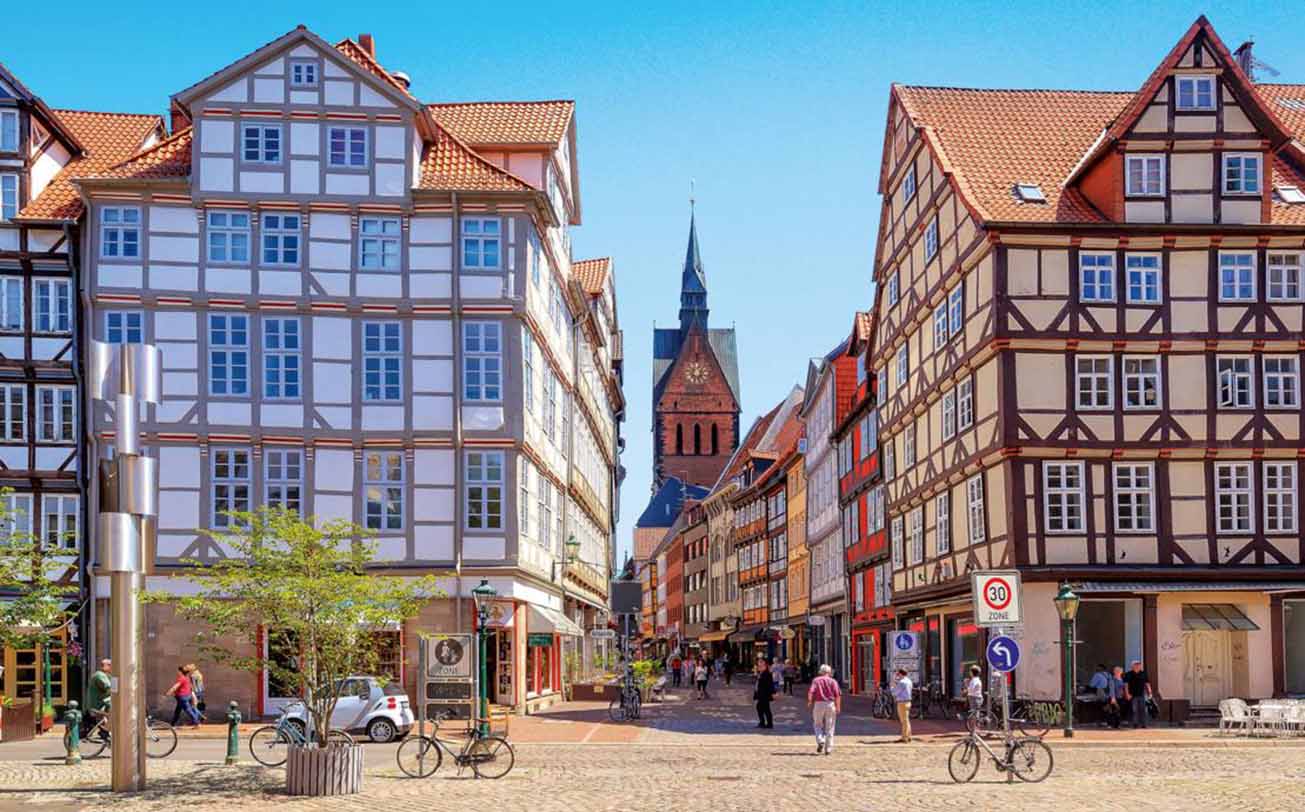
After the lake, I ventured further northwest to the small town of Werther—not the fictional town of Goethe’s tragic young lover, but a real one nestled in the gentle folds of the Teutoburg foothills. Werther seemed designed for those who appreciate details: the curvature of hand-carved wooden beams, the neatly painted shutters, the way flower boxes hang from every window like applause for the street below.
I arrived just as church bells began to chime the hour. Their sound echoed through the narrow streets with a timeless clarity. Here, the town’s rhythm is dictated not by urgency but by habit. I walked through cobblestone alleys that narrowed in some places until they felt like secret passages. Many of the buildings dated back to the 17th and 18th centuries, and their careworn facades seemed to wear their age like a medal.

In the central square, a small market offered regional cheeses, local honey, and loaves of bread so fresh they practically steamed in their wrappers. I spoke briefly with a vendor who shared the origin of his sheep’s cheese with more enthusiasm than some people discuss politics. I bought a modest wedge, which would later become part of my supper, paired with spelt bread and a bottle of mineral water from the nearby hills.
Werther’s charm lies not in spectacle but in consistency. It does not strive to impress—it simply exists in continuity. The houses, the squares, even the door knockers seem to say: “This is how it has been, and how it shall remain.”
5. The Evening Trail: From Jöllenbeck to the Edge of Quiet
Later in the day, I made my way toward Jöllenbeck, a northern borough of Bielefeld that offers immediate access to pastoral landscapes. The trail from Jöllenbeck through the rural fields and forests is less traveled but no less rewarding. Horses grazed in the distance, and the landscape rolled out in waves of green and brown, stitched together by narrow paths and fence posts dotted with moss.
A gentle wind picked up, the kind that carries distant birdsong and the rustle of unseen animals. The fields here are bordered by hedgerows and old trees, their roots tangled with centuries. I walked along the edge of one such field where the grass grew waist-high in places and the air felt untouched by urgency.
Eventually, I reached a hillock that overlooked a shallow valley. The sun hung low on the horizon, and the sky performed its slow transformation into shades of amber and rose. I sat for a while on a stone ledge, watching the landscape breathe. It felt less like a view and more like an inheritance—something passed down through generations to be appreciated and protected.
6. A Quiet Return
The route back led me once more past the edge of the forest, where twilight had already begun to pool in the shadows. The trees stood like sentinels, and the path ahead felt like a final verse in a long poem—softly spoken, slightly melancholic, but deeply satisfying. Bielefeld welcomed me back with the glow of streetlamps and the scent of evening dinners being prepared behind curtained windows.
The day had spanned forest trails and quiet lakes, parks layered with history, and towns built on tradition. The hours passed not as a countdown but as chapters, each distinct and worthwhile. There’s something remarkable about places that exist outside of spectacle—places that offer no headline attraction but instead reward patience and presence. The landscapes around Bielefeld are such places, where meaning lingers not in what one sees, but in how one sees it.